Pest control on a rental property is generally treated as an ordinary maintenance cost, which the Canada Revenue Agency calls a current expense, but the CRA's rental guide does not name pest control and the line between a repair and an improvement matters. This guide explains the tests the CRA uses, how they apply to pest work, and what records to keep. It is general information, not tax advice.
Local trade featured in this guide

Zafar Riaz, CPA
Padgett Ajax, Ajax
- Tax, bookkeeping, payroll and advisory services for small businesses and individuals
- Decades of combined experience on the team, as a local office of a national network
- Industry focus includes construction and trades, real estate and personal service
The short answer for rental owners
The CRA's guide to rental income (T4036) sets out the rule that decides most of these questions: some expenses are current and some are capital. Current expenses are recurring expenses that provide a short-term benefit and are generally deductible in the year you incur them. Capital expenses provide a benefit that usually lasts several years, and are generally recovered over time through capital cost allowance rather than deducted at once.

The CRA's rental guide (T4036) generally treats a cost as current when it maintains the property, restores it to its original condition, or recurs after a short period. Routine pest control meets these key tests: it's maintenance, it doesn't improve the property, and it has to be repeated. So it's generally deductible in the year it's incurred, usually under maintenance and repairs on Form T776.
The guide does not name pest control specifically; it applies these general tests, so confirm the treatment of any particular cost with your accountant. This is general information, not tax advice.
Why it is an expense you incur to earn rental income
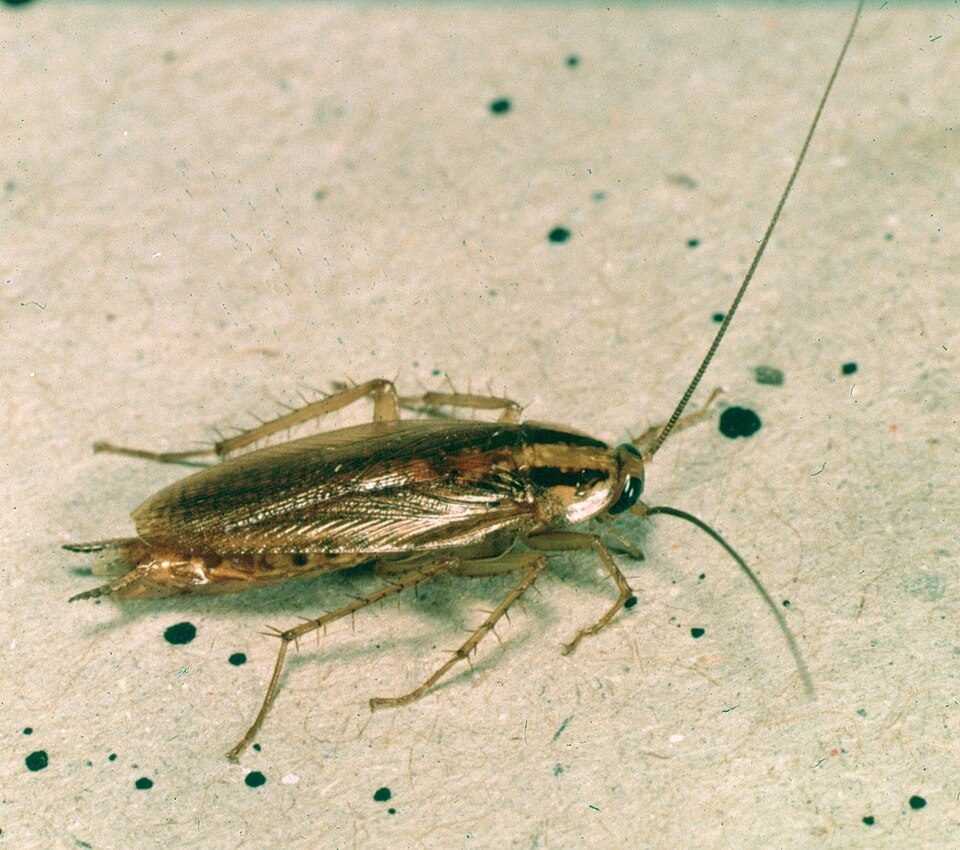
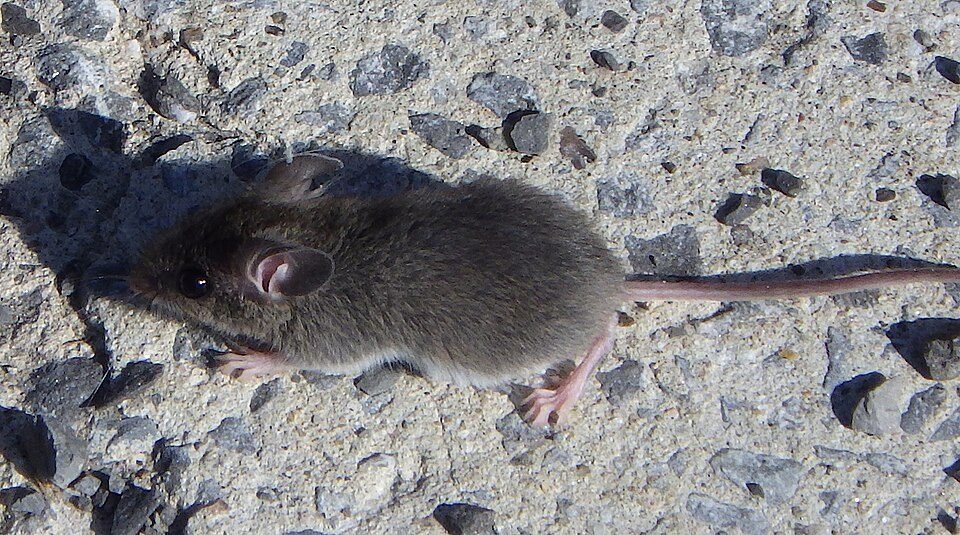
A deduction has to relate to earning income from the property, and pest control is part of what a landlord already has to do. The Landlord and Tenant Board's brochure on maintenance and repairs states that a landlord must keep the rental property clean and must take steps to control pests such as cockroaches and mice. The tenant's side is to keep the unit clean to an ordinary standard, and the Board advises tenants to put requests in writing and to keep paying rent.
In practice that means treatment is an operating cost of keeping a unit rentable, which is the same category as other ordinary repairs and maintenance.
The CRA's tests applied to pest-related spending
The CRA gives landlords four tests for deciding whether a repair is current or capital. The table shows how they play out for common pest-related costs. Your accountant makes the final call, but the pattern is useful.
| Cost | How it usually looks under the tests | Why |
|---|---|---|
| A pest control treatment or follow-up visit | Current | A recurring service with a short-term benefit, no lasting asset |
| Repairing a part of the building damaged by pests, such as patching drywall or rewiring a section | Usually current | The CRA says repairing a part of a building, for example rewiring, is usually current unless it improves the property beyond its original condition |
| Replacing a damaged element with something better, such as swapping wooden steps for concrete | Usually capital | The CRA's own example: replacing wooden steps with concrete steps is capital, while repairing wooden steps is current |
| Replacing a separate asset, such as an appliance infested beyond use | Capital | The CRA treats buying a refrigerator as capital because it is a separate asset |
| Pest repairs done to make a property saleable | Usually capital | The CRA says repairs made to sell a property are capital, unless the repairs would have been made anyway |
Two details are worth knowing. The CRA says a large cost relative to the property can point toward capital, but ordinary maintenance that was deferred is still a current expense. And it says repairs to restore a building to its original condition, such as repairs to a roof and brick walls in its example, are current.
Three common situations, walked through
These examples are illustrative only, and the right treatment depends on the facts of each property.
- A recurring problem in one unit. A landlord has a unit treated for cockroaches and books a follow-up visit. Both are services with a short-term benefit and no lasting asset, so both are the type of cost the CRA places with ordinary maintenance.
- Mice have damaged drywall and a section of wiring. The treatment is a maintenance cost. Patching the drywall and repairing the damaged section of wiring restore the building to its original condition, which the CRA treats as current. If the owner uses the opportunity to upgrade the whole electrical panel, that upgrade goes beyond restoring the original condition and is a question for the accountant.
- The unit is being prepared for sale. The CRA says repairs made to sell a property are capital unless they would have been made anyway. A treatment that was needed for the tenants in the ordinary course is different from work done only to make the building more saleable, and the dates and reports help show which it was.
What you cannot deduct, and what to keep
- Your own labour. The CRA says you can deduct the labour and materials for minor repairs or maintenance, but not the value of your own labour.
- Capital costs as current. A repair that is capital in nature is not deducted in full in one year, although you may be able to claim capital cost allowance on it.
On records, the CRA says to keep detailed records of all rental income and expenses, supported by invoices, receipts, contracts and other documents, and that expenses you cannot support may be disallowed. You do not send them with the return, but you should keep them, generally for six years from the end of the tax year to which they relate. For pest work, the useful documents are the invoice, the dates of each visit, and the service report that says what was found and what was done.
What to ask your accountant

- Is this treatment a current expense for this property, and under which line on the rental statement should it go?
- If a treatment is followed by repairs, which of them restore the building and which improve it beyond its original condition?
- If part of the property is the owner's own residence, how is the pest control cost split between rental and personal use?
- Is any of this cost better treated as capital, for example if flooring or fixtures are replaced because of the infestation?
It also helps to hand your accountant the paperwork as a bundle: invoice, service report and any before-and-after photos, kept with the tenant's written request if there was one.
Who to call in Durham Region: Padgett Ajax
Padgett Ajax, led by Zafar Riaz, CPA, is a locally owned accounting and tax practice that works with small businesses and owners of rental property. It offers tax preparation and planning, bookkeeping, payroll and advisory services, and lists construction and trades, real estate and personal service among the industries it knows well. For a landlord or a home-service business, it is the right place to ask how a maintenance cost should be treated. Call them with questions about rental income, deductible repairs, bookkeeping and payroll for a small business. Visit their website.
AstraHive Pest Control is a fellow member of BNI Momentum, a Durham business referral network, alongside the businesses featured here. We recommend them because of what their own sites and customer reviews show.
How AstraHive Pest Control gets rid of pests in rental properties
In a rental building the treatment has to cover more than one unit, and the paperwork matters as much as the product. We inspect, treat and document every visit, so the owner has a clear record.
How an AstraHive pests in rental properties treatment works
Inspect the unit and the units around it
We inspect the affected unit and the places it shares with others, such as walls, plumbing and common areas, so the source is found and not only the symptom.
Treat according to the pest
We use the approved method for the pest involved, with products that are Health Canada approved and applied according to the product label.
Document every visit
Where we found activity, what we found and every product used goes in the service report, which gives the owner the record to keep with the invoice.
Follow up and back it with a 90-day warranty
We follow up to confirm the treatment worked. If the pest comes back within 90 days, we re-treat at no charge.
Our products are Health Canada approved and safe for kids and pets, and we apply every product according to its label. AstraHive is licensed by the Ontario Ministry of the Environment, Conservation and Parks. Ontario requires a ministry-approved certification course before it issues an exterminator licence, and that training is delivered through the University of Guelph, Ridgetown Campus.
For tax and for the Landlord and Tenant Board alike, dated invoices and service reports are what show that a landlord took steps to control the problem.
Why Choose AstraHive
- Licensed & Insured: Certified by the Ontario Ministry of Environment, Conservation and Parks.
- Fast response: Same-day service available, with a callback within 5 minutes.
- 90-Day Warranty: If pests come back within that window, we re-treat at no additional charge.
- Proven track record: 5.0 stars on Google across 200+ reviews.
- Family & pet safe: Health Canada approved products on every job.
Frequently Asked Questions
Can a landlord deduct pest control in Canada?
Generally yes. Routine pest control is maintenance, it does not improve the property and it has to be repeated, so it is generally deductible in the year it is incurred, usually under maintenance and repairs on Form T776. This is general information, not tax advice, so confirm any specific cost with your accountant.
What is the difference between a current expense and a capital expense?
A current expense is recurring with a short-term benefit and is generally deductible in the year it is incurred. A capital expense provides a benefit that usually lasts several years and is recovered over time through capital cost allowance.
Are repairs after a pest infestation deductible?
Repairs that restore a part of the building to its original condition are usually current. Replacing something with an improved version, or replacing a separate asset, is usually capital. Repairs made to sell a property are generally capital unless they would have been made anyway.
What records should I keep for pest control on a rental?
Keep invoices, receipts, contracts and service reports that show the dates and what was done. The CRA says to keep records generally for six years from the end of the tax year to which they relate.
Does my landlord or my tenant pay for pest control in Ontario?
A landlord must take steps to control pests such as cockroaches and mice, according to the Landlord and Tenant Board. The tenant must keep the unit clean to an ordinary standard. Disputes about who pays for a specific treatment are a legal question.
Sources
- Canada Revenue Agency: Rental Income (T4036) — Current expenses are recurring expenses with a short-term benefit and are generally deductible in the year incurred; capital expenses provide a benefit that usually lasts several years and are recovered through capital cost allowance; repairing wooden steps is current, replacing them with concrete steps is capital; repairing a part of a building such as rewiring is usually current unless it improves the property beyond its original condition; keep invoices, receipts and contracts, generally for six years.
- Ontario.ca: Pesticide licences and permits — Ontario's Ministry of the Environment, Conservation and Parks issues exterminator licences after a ministry-approved certification course, delivered through the University of Guelph, Ridgetown Campus.
- Tribunals Ontario, Landlord and Tenant Board: Brochure, Maintenance and Repairs (July 2018) — A landlord must keep the rental property clean and must take steps to control pests such as cockroaches and mice; a tenant must keep the unit clean to an ordinary standard; the tenant's first step is a written request, and rent should not be withheld.
Areas We Serve
AstraHive Pest Control proudly serves 75+ communities across the following regions:
- Toronto: Toronto, North York, Scarborough, Etobicoke, East York, York, Leslieville, Lakeview
- Durham Region: Oshawa, Whitby, Ajax, Pickering, Clarington, Bowmanville, Courtice, Newcastle, Port Perry, Brooklin, Uxbridge, Scugog, Brock, Seaton
- York Region: Vaughan, Markham, Richmond Hill, Aurora, Newmarket, Thornhill, Woodbridge, Kleinburg, Maple, Stouffville, Unionville, Keswick, Holland Landing, East Gwillimbury, Georgina, King City, King Township, Nobleton, Berczy Village, Cathedraltown, Commerce Valley, Cornell, Wismer, Whitchurch-Stouffville, Sutton, Schomberg
- Peel Region: Mississauga, Brampton, Caledon, Malton, Port Credit, Streetsville, Meadowvale, Cooksville, Bolton, Palgrave
- Extended Service Area: Peterborough, Lindsay, Port Hope, Barrie, Bradford, Innisfil, Collingwood, Wasaga Beach, Orillia, Burlington, Oakville, Milton, Hamilton, Grimsby, St. Catharines, Welland, Niagara Falls
Don't see your city listed? Call us — we likely cover it.
Got a pest problem right now?
Call AstraHive for a free consultation. Licensed & insured, serving the GTA, Durham, York, Peel and Simcoe County.
Call 905-925-84275.0 Stars — 200+ Google Reviews | Licensed & Insured | Health Canada Approved