Rodent mites are tiny blood-feeding mites that live on mice and rats and in their nests. When rodents die, are removed or abandon a nest, the mites can bite people. They cannot reproduce on people, and the bites usually fade in a few days once the source is gone. To get rid of rodent mites, deal with the rodents and their nests, then vacuum and clean.
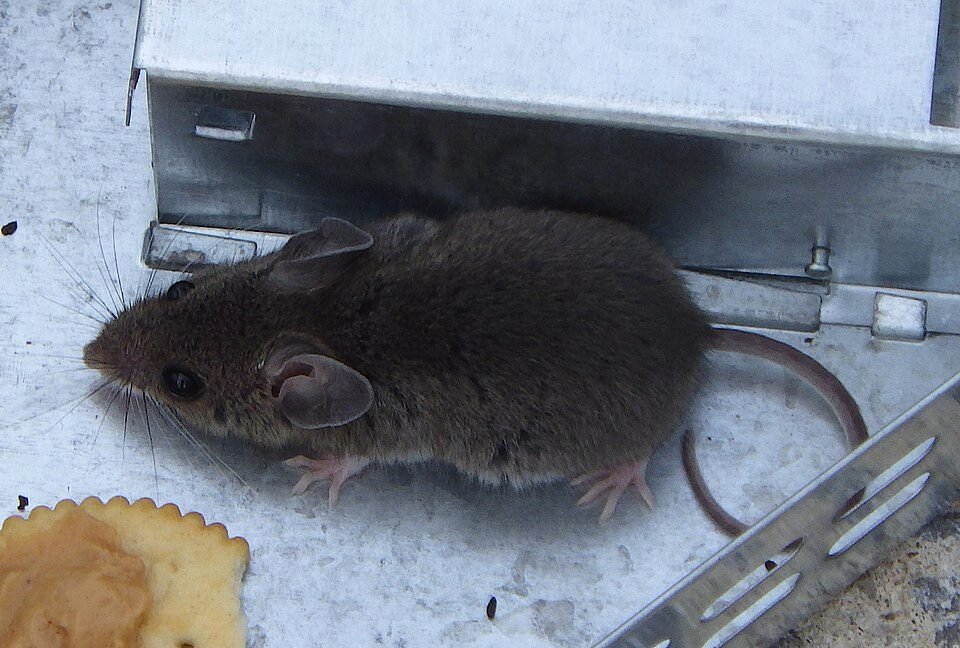

What rodent mites look like
The best-known species is the tropical rat mite (Ornithonyssus bacoti). It is tiny, about 0.8 mm long, and grey before it feeds and yellow to dark red afterwards. It is found near heat sources in a building. Despite the name, the tropical rat mite occurs worldwide, though it is more common in warmer regions, and it is a mite of rodents and their nests rather than a mite of tropical places.
Canadian veterinary researchers point out that mites from animals and birds can bite people and occasionally cause serious skin problems, yet they cannot set up home on us. That describes rodent mites well.
Rodent mites vs bird mites and clover mites
All three kinds of mite are tiny, and all three end up on your walls, which is why people confuse them. The source is what separates them. Rodent mites come from mice and rats, bird mites from nests, and clover mites from the lawn.
| Rodent mite (tropical rat mite) | Bird mite | Clover mite | |
|---|---|---|---|
| Size and colour | About 0.8 mm, grey before a blood meal and yellow to dark red after | Tiny; species such as the chicken mite and the northern fowl mite turn darker red after feeding | Smaller than a pinhead, red, rusty brown or olive green, with very long front legs |
| Where they come from | Mice and rats and their nests | Nests and roosts of birds in eaves, vents, chimneys and attics | Lawns, grass and garden plants close to the foundation |
| Do they bite people? | Yes, especially when the rodent host is gone or has been removed | Yes, when their bird host has gone and they look for another | No. They do not attack people |
| When you notice them | Any time rodents are present, and after rodent control | After nestlings leave or a nest is abandoned | Spring and fall |
| First step | Deal with the rodents, nests and carcasses, then clean and vacuum | Find and remove the nest source, lawfully, then vacuum | Vacuum them without crushing them, and clear a dry strip around the foundation |
Rodent mite biology and how the problem starts
Rodent mites do not appear out of nowhere. They travel on the rodents and stay in their nests. The trouble starts when the rodents leave the picture. A rodent control program can make it worse in the short term, either while rodents are still around and people come into close contact with them, or when the program has worked and the mites begin to search for something else to feed on.
How rodent mites end up biting people
Mites live on the rodents
Rodent mites, such as the tropical rat mite, live on mice and rats and in their nests, where they feed on the animals' blood. The Norway rat is the main host of the tropical rat mite, and the mite can also live in old or abandoned rat nests.
The rodents are removed or die
When rodent control starts, or has worked, the mites lose their food supply. They have not gone anywhere; they are still in the nest, the wall void or the attic.
The mites search
Hungry mites spread through the building looking for a new source of blood. They are often found near heat sources such as heating equipment.
They bite people
Both the young mites and the adults will bite a person. They cannot reproduce on humans, but the bites can cause irritation and painful dermatitis that lasts two to three days.

Why rodent mites are in your house
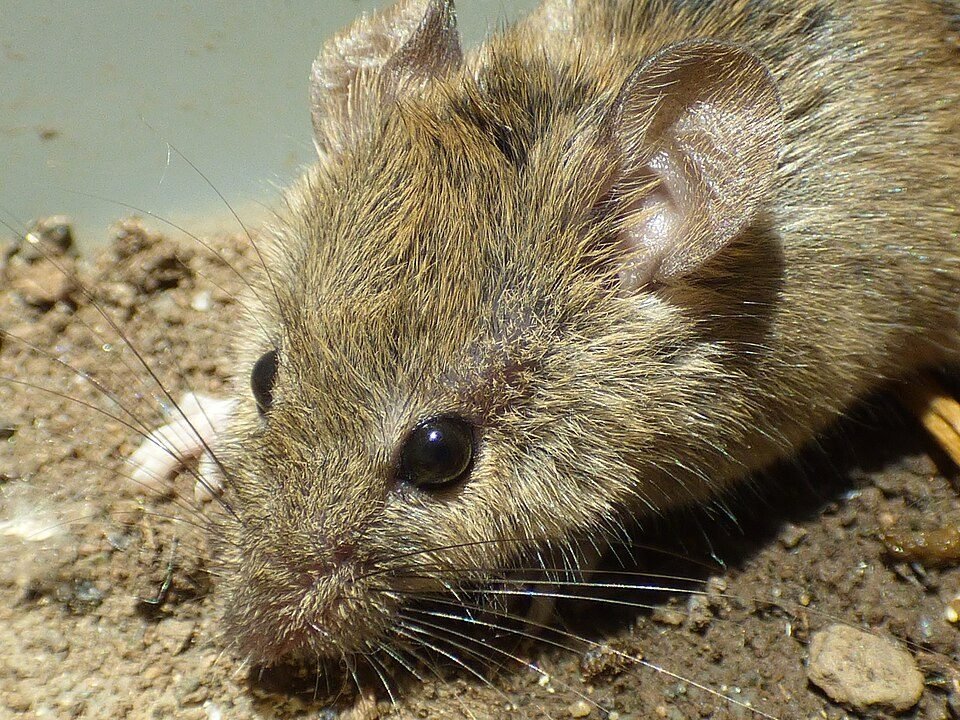
Because you have or had rodents. A single mouse sighting signals an exterior entry point, and on a typical inspection three to six active or previously used entry points turn up, even when only one problem area was noticed. Mites arrive with the mice, then stay behind in wall voids, attics and old nests after the mice are trapped or bait has worked.
Rodent mites in the house: where to look
Rodent mites in the house tend to gather where the rodents lived and where it is warm. Check attics, wall voids, crawl spaces and basements for nests, droppings and dead animals, and look near heating equipment, water heaters and other warm spots. The mites are usually strongest near the source, so the rooms next to a nest are the ones where bites are most likely.
Signs of a rodent mite infestation
- Itchy bites or a crawling sensation, especially soon after rodents were caught, baited or seen dead.
- Rodent droppings, gnaw marks, nests or dead rodents in the attic, walls or basement.
- Tiny grey or reddish specks moving on surfaces near the rodent source, or near warm areas such as heating equipment.
- Bites that do not fit a pattern from bed bugs, fleas or mosquitoes, in a home with a known rodent problem.
Rodent mite bites: are rodent mites harmful?
Rodent mite bites cause irritation, and in some people painful dermatitis, which can last two to three days. Both the young mites and adults bite. The tropical rat mite can be a serious nuisance, but researchers are still unsure whether it is linked to disease in people. The larger health risk in a home with rodents is the rodents themselves: mouse droppings and urine can carry pathogens, and infection can happen simply by breathing in contaminated dust.
If you are cleaning up a nest or droppings, do not sweep or vacuum them dry. Wet the area thoroughly with disinfectant, let it sit, then wipe it up, so you do not stir contaminated dust into the air.
Common myths about rodent mites
- "The mites are living on me." They are not. They cannot reproduce on people, and they cannot establish themselves on us.
- "The rodents are gone, so the mites are gone." The mites usually outlast the rodents, and they get hungry once the animals are gone.
- "I only need to treat the room where I am bitten." The source is elsewhere: the nest, the wall void or the attic.
- "Baiting solves everything." Bait and traps only remove the mice that are there, and long-term control needs every entry point sealed. Carcasses left in walls also send hungry mites looking for a new host.
How to get rid of rodent mites yourself
- Deal with the rodents first. Find and seal every entry point, since traps and bait alone only remove the animals already inside.
- Check traps often and remove carcasses promptly, so mites do not leave them in search of a new host. Bait can leave dead rodents in walls, so if bait is used, have a professional place it and check it.
- Remove old nests and droppings safely, wetting them with disinfectant before you wipe them up.
- Vacuum and wash. Vacuum floors, baseboards and furniture near the source, empty the vacuum outdoors, and wash bedding and clothing in hot water.
- Do not bother with room-by-room spraying until the rodents and the nests are dealt with.
- See a doctor if skin reactions continue after the source is gone.
- Do not fill weep holes or vents with sealant, foam or mortar. The wall is hollow, and these openings let moisture and warm air out. Blocking them solid traps moisture in the wall and can lead to mould. Breathable mesh over them keeps pests out while the wall can still breathe.
How AstraHive Pest Control gets rid of rodent mites
Rodent mites are a rodent problem first, and AstraHive treats rodents every day. We deal with the source, then the mites that are left behind.
How an AstraHive rodent mites treatment works
Inspect for rodents and mites
We inspect for rodent activity, entry points, nests and dead animals, and for the warm, hidden places where mites are gathering.
Deal with the rodents
We seal exterior entry points and set interior and exterior bait stations where they are needed, so the rodents are removed for good and not just for now.
Treat inside only when needed
If a large number of mites are already in the living space, we add an interior treatment, applied according to the label. Otherwise, cleaning and vacuuming are enough.
Back it with a 90-day warranty
If the problem comes back within 90 days, we re-treat at no charge.
Our products are Health Canada approved and safe for kids and pets, and we apply every product according to its label. AstraHive is licensed by the Ontario Ministry of the Environment, Conservation and Parks. Ontario requires a ministry-approved certification course before it issues an exterminator licence, and that training is delivered through the University of Guelph, Ridgetown Campus.
Rodent mites go away when the rodents and their nests are gone. That is why the entry points matter more than any spray.
Rodent mite control in Ontario: when to call an exterminator
Call a licensed pest control company when you are being bitten and you know or suspect that you have mice or rats, when you cannot find where the rodents are getting in, when rodents have died in the walls, or when bites continue after the rodent problem is solved. Early action stops the mites from spreading through the building.
Why Choose AstraHive
- Licensed & Insured: Certified by the Ontario Ministry of Environment, Conservation and Parks.
- Fast response: Same-day service available, with a callback within 5 minutes.
- 90-Day Warranty: If pests come back within that window, we re-treat at no additional charge.
- Proven track record: 5.0 stars on Google across 200+ reviews.
- Family & pet safe: Health Canada approved products on every job.
Frequently Asked Questions
How do I get rid of rodent mites?
Deal with the rodents first: seal every entry point, remove nests and carcasses safely, and check traps often. Then vacuum, wash bedding and clothing in hot water, and see a doctor if skin reactions continue. A pest control company can treat if a large number of mites are in the living space.
Do rodent mites bite humans?
Yes. Both young and adult rodent mites can bite people, causing itching, irritation and sometimes painful dermatitis for two to three days. They cannot reproduce on people.
Why am I being bitten after getting rid of mice?
The mites that lived on the mice stay behind in nests and wall voids, and when the mice are gone they look for a new source of blood. That is why bites often start after rodent control.
Are rodent mites harmful?
The bites are irritating and can cause painful dermatitis. Researchers are unsure whether the tropical rat mite is linked to disease in people. The rodents themselves are the bigger health risk.
What is the tropical rat mite?
It is a tiny mite, about 0.8 mm, grey before feeding and yellow to dark red after. It lives mainly on rats, and it is found near heat sources in buildings.
Do I need a rodent mite exterminator?
Yes if you know or suspect you have rodents and are being bitten, if you cannot find the entry points, or if bites continue after the rodents are gone. The rodents are the source, and dealing with them is what ends the mites.
Sources
- Western College of Veterinary Medicine, University of Saskatchewan: Mites (miscellaneous) of animal origin on people — Mites of animals and birds will also infest people, sometimes causing significant clinical problems but not establishing on accidental human hosts; the most important such mites in Canada are likely Ornithonyssus and Dermanyssus species from domestic and free-ranging birds.
- Public Health Ontario: Arthropod identification (mites) — Public Health Ontario examines suspected arthropods, including mites, from human specimens submitted by healthcare providers, not by members of the public.
- Ontario.ca: Pesticide licences and permits — Ontario's Ministry of the Environment, Conservation and Parks issues exterminator licences after a ministry-approved certification course, delivered through the University of Guelph, Ridgetown Campus.
- Government of British Columbia: Home and Garden Pest Management Guide, Insects Around the Home (carpet beetles, rodent management) — When managing rodents, use traps instead of bait and check them regularly so no dead rodents are left.
- University of Kentucky Entomology: Parasitic Mites of Humans (ENTFACT 637) — Bird and rodent mites usually stay on their host or nest; may enter homes when the host has left; can bite but cannot reproduce on humans; tropical rat mite about 0.03 inch, grey before and yellow to dark red after feeding, near heat sources, serious when rodent control is under way, bites cause irritation and dermatitis for two to three days.
Areas We Serve
AstraHive Pest Control proudly serves 75+ communities across the following regions:
- Toronto: Toronto, North York, Scarborough, Etobicoke, East York, York, Leslieville, Lakeview
- Durham Region: Oshawa, Whitby, Ajax, Pickering, Clarington, Bowmanville, Courtice, Newcastle, Port Perry, Brooklin, Uxbridge, Scugog, Brock, Seaton
- York Region: Vaughan, Markham, Richmond Hill, Aurora, Newmarket, Thornhill, Woodbridge, Kleinburg, Maple, Stouffville, Unionville, Keswick, Holland Landing, East Gwillimbury, Georgina, King City, King Township, Nobleton, Berczy Village, Cathedraltown, Commerce Valley, Cornell, Wismer, Whitchurch-Stouffville, Sutton, Schomberg
- Peel Region: Mississauga, Brampton, Caledon, Malton, Port Credit, Streetsville, Meadowvale, Cooksville, Bolton, Palgrave
- Extended Service Area: Peterborough, Lindsay, Port Hope, Barrie, Bradford, Innisfil, Collingwood, Wasaga Beach, Orillia, Burlington, Oakville, Milton, Hamilton, Grimsby, St. Catharines, Welland, Niagara Falls
Don't see your city listed? Call us — we likely cover it.
Got a pest problem right now?
Call AstraHive for a free consultation. Licensed & insured, serving the GTA, Durham, York, Peel and Simcoe County.
Call 905-925-84275.0 Stars — 200+ Google Reviews | Licensed & Insured | Health Canada Approved