A wasp sting is an emergency if it causes swelling of the face, lips or tongue, hives, wheezing or shortness of breath, dizziness or fainting. Health Canada says severe allergic reactions to wasp venom have caused death in rare cases. If anaphylaxis is suspected, use an epinephrine auto-injector at the first sign and call 9-1-1.
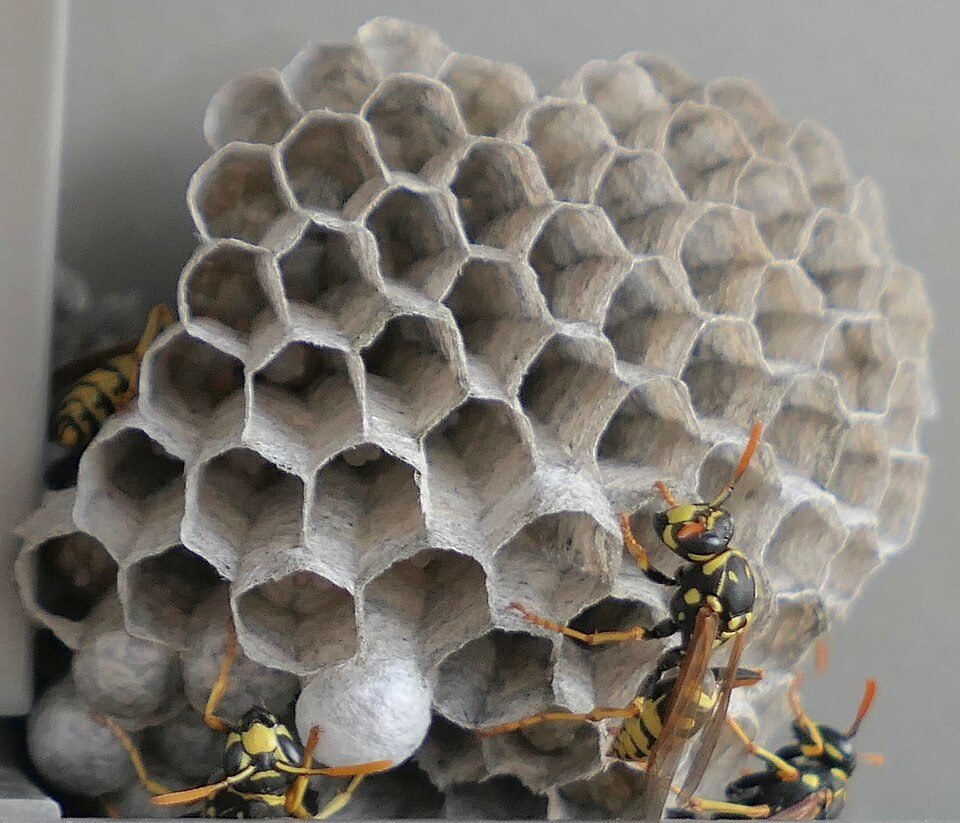

How serious can a wasp sting be?
Health Canada warns that in rare cases severe allergic reactions to the venom have caused death. It advises getting medical attention right away if a sting causes unusual swelling, itching, dizziness or shortness of breath.
Signs of anaphylaxis
| Examples | |
|---|---|
| Skin | Hives, swelling of the face, lips or tongue, itching |
| Breathing | Coughing, wheezing, shortness of breath, chest or throat tightness, trouble swallowing |
| Circulation | Paler than normal or blue skin colour, weak pulse, passing out, dizziness |
| Other | Nausea or vomiting, and a sense of doom |
Source: the Canadian Society of Allergy and Clinical Immunology Anaphylaxis Emergency Plan, which lists insect stings among triggers. HealthLink BC adds that reactions can start within minutes of exposure and sometimes take up to several hours to start.
How fast it happens, and what is a normal reaction
The Canadian Paediatric Society says signs of a systemic allergic reaction typically appear within 5 to 30 minutes after a sting, and that systemic reactions to insect stings affect 0.4% to 0.8% of children. A normal sting causes short-term, intense pain. A large local reaction, with swelling that spreads well beyond the sting site, is different from anaphylaxis: the society says children who have only had large local reactions have a low risk of anaphylaxis with future stings, and that an epinephrine auto-injector is not needed for a large local reaction. It is recommended for systemic reactions.
Health Canada suggests an ice pack or a baking soda paste for an ordinary sting, and says to get medical attention right away for unusual swelling, itching, dizziness or shortness of breath.
What to do if someone may be having anaphylaxis
The Canadian Society of Allergy and Clinical Immunology emergency plan says the first signs of a reaction can be mild but symptoms can get worse very quickly. It says to give an epinephrine auto-injector at the first sign of a known or suspected reaction and to call 9-1-1, and to give a second dose as early as 5 minutes after the first if there is no improvement. The person should go to the nearest hospital immediately, ideally by ambulance, even if symptoms are mild or have stopped, because the reaction could worsen or come back. HealthLink BC adds that observation in hospital generally lasts about 4 to 6 hours. A person with asthma is at greater risk, and the plan says to give epinephrine before asthma medication if breathing is difficult.
Using an epinephrine auto-injector
The Canadian Society of Allergy and Clinical Immunology emergency plan includes the manufacturer's instructions for the common devices. For one common device, you remove the safety cap by pulling straight up, place the tip against the middle of the outer thigh, push firmly until it clicks, and hold it in place for 3 full seconds. Another device's instructions say to hold it for 5 seconds, and to inject only into the middle of the outer thigh, through clothing if necessary. Follow the instructions for the device you carry. After use, seek immediate medical attention or go to an emergency room, and the manufacturer says to stay close to a healthcare facility or be able to call 911 for the next 48 hours.
After a serious reaction
The Canadian Paediatric Society says children with a systemic reaction need to be referred to an allergist. It says venom immunotherapy can lower the risk of another systemic reaction from approximately 30% to an estimated 5%. Avoidance measures it lists include not walking barefoot, avoiding opaque beverage containers outdoors, where a wasp can hide unseen, and wearing protective clothing during high-risk activities.
How to reduce the chance of being stung
Health Canada notes that wasps are more abundant and active in late summer. If a wasp lands on you, stay calm and wait for it to fly off, or brush it off gently. Do not leave food or drink uncovered outdoors, avoid scented products, keep garbage in tightly closed containers and do not walk barefoot on grass in late summer.
Why late summer is the risky time
The University of California IPM program describes the colony cycle. Overwintering queens start nests in spring, colonies grow through midsummer, and by late summer growth slows and foragers want sweet things. Defensive behaviour increases as the season progresses, because colonies are larger and natural food is scarcer. Yellowjacket colonies hold between 1,500 and 15,000 individuals and paper wasp colonies 15 to 200. Colonies live one season and the nests are not reused. Health Canada's removal window of November to December fits that cycle: the nest is abandoned by then.
Where the nest is, and why a treated nest is still dangerous
Nests can be in rodent burrows in the ground, in voids in the walls and ceilings of houses, or as paper nests on eaves and tree branches. Wasps flying directly in and out of one spot are probably flying to and from their nest. The University of California IPM program says wasps are most likely to be in the nest at night, which is why treatment is done in the evening or after dark, and warns that agitated wasps may be met at some distance from the nest even the day after treatment. Severe multiple-sting incidents can cause tissue damage and kidney blockages requiring medical care. Its advice is that if a nest must be eliminated, it is easiest and safest to call for professional help.
Why nest removal should not be a do-it-yourself job
Health Canada says that although a homeowner with enough protection can remove a nest, professional help is recommended. It describes removing a nest in the evening when wasps are least active, while wearing protective clothing including a head net. For a household with anyone who is allergic to wasp venom, the risk of a mistake is much higher, so a licensed professional is the sensible choice.

This is general information
This article is general information and not medical advice. Anyone who has had a serious reaction to a sting should speak with a physician about an emergency plan and carrying an epinephrine auto-injector.
How AstraHive Pest Control gets rid of wasps and hornets
The nest is usually not where the wasps are going in and out. It can be deep in a wall, ceiling or the ground, so the treatment has to reach the nest itself.
How an AstraHive wasps and hornets treatment works
Remove the nest if it is accessible
If the nest is visible and reachable, we remove it completely, so there is no structure for the colony to rebuild around.
Dust into the wall void
If the nest is inside a wall, ceiling void or other structure, we use a professional pump to push pesticide dust through the entry point. The dust travels through the void: workers carry it back to the queen, and wasps that touch it die. It works as both a bait and a contact kill.
Knockdown treatment if there is immediate risk
If someone in the home has a severe allergy or the colony is highly aggressive, we use a knockdown ULV treatment to bring the active population down at once.
Document, and back it with a 30-day warranty
Every product used and every zone treated goes in the service report. If wasps return to the treated spot within 30 days, we re-treat at no charge.
Our products are Health Canada approved and safe for kids and pets, and we apply every product according to its label. AstraHive is licensed by the Ontario Ministry of the Environment, Conservation and Parks. Ontario requires a ministry-approved certification course before it issues an exterminator licence, and that training is delivered through the University of Guelph, Ridgetown Campus.
Spraying the entry point kills a few workers, leaves the queen untouched and can leave the survivors more aggressive. Large nests, nests inside walls or attics, and households with someone allergic to stings are best left to a professional.
Typical cost: Starting at $150 CAD, with final cost depending on property size and severity of infestation - there is no fixed upper limit. Call 905-925-8427 for an exact free quote.
Why Choose AstraHive
- Licensed & Insured: Certified by the Ontario Ministry of Environment, Conservation and Parks.
- Fast response: Same-day service available, with a callback within 5 minutes.
- 30-Day Warranty: If pests come back within that window, we re-treat at no additional charge.
- Proven track record: 5.0 stars on Google across 200+ reviews.
- Family & pet safe: Health Canada approved products on every job.
Frequently Asked Questions
What are the signs of anaphylaxis from a wasp sting?
Hives, swelling of the face, lips or tongue, itching, coughing, wheezing, shortness of breath, pale or blue skin, a weak pulse and passing out, according to the Canadian Society of Allergy and Clinical Immunology. Health Canada adds unusual swelling, itching, dizziness or shortness of breath as reasons to get medical attention right away.
When should I call 911 after a wasp sting?
When a severe allergic reaction is suspected. The Canadian Society of Allergy and Clinical Immunology emergency plan says to give an epinephrine auto-injector at the first sign and to call 9-1-1.
Can a second dose of epinephrine be given?
Yes. The emergency plan says a second dose can be given as early as 5 minutes after the first if symptoms do not improve.
Can an allergic reaction come back after treatment?
Yes. The emergency plan says the reaction could worsen or come back even after proper treatment, so go to hospital immediately, even if symptoms are mild or have stopped. HealthLink BC says observation generally lasts about 4 to 6 hours.
Should I remove a wasp nest myself?
Health Canada says professional help is recommended. If a nest is removed at home, it advises doing so in the evening when wasps are least active, with protective clothing including a head net.
Sources
- Health Canada: Wasps — Wasps are more abundant and active in late summer; if a wasp lands on you stay calm and wait for it to fly off or brush it off gently; do not leave food or drink uncovered outdoors, avoid scented products, keep garbage in tightly closed containers and do not walk barefoot on grass in late summer; in rare cases severe allergic reactions to the venom have caused death and medical attention should be sought right away if a sting causes unusual swelling, itching, dizziness or shortness of breath; although a homeowner with enough protection can remove a nest, professional help is recommended; nests can be removed in the evening when wasps are least active, wearing protective clothing including a head net.
- Canadian Society of Allergy and Clinical Immunology: Anaphylaxis Emergency Plan — The plan, produced with Canadian allergist associations, lists insect stings among triggers of potentially life-threatening allergy; signs include hives, swelling of the face, lips or tongue, itching, coughing, wheezing, shortness of breath, chest or throat tightness, trouble swallowing, nausea, vomiting, paler than normal or blue skin colour, weak pulse, passing out, dizziness and a sense of doom; the first signs can be mild but symptoms can get worse very quickly; give an epinephrine auto-injector at the first sign of a known or suspected reaction, call 9-1-1, give a second dose as early as 5 minutes after the first if there is no improvement, and go to the nearest hospital immediately, ideally by ambulance, even if symptoms are mild or have stopped, because the reaction could worsen or come back; a person with asthma is at greater risk, and epinephrine should be given before asthma medication if breathing is difficult.
- HealthLink BC: Severe allergic reaction (anaphylaxis) — Anaphylaxis symptoms include hives, swelling of the face, lips or tongue, itching, coughing, wheezing, shortness of breath, paler than normal or blue skin colour, weak pulse and passing out; reactions can start within minutes of exposure and in some cases take up to several hours; give an epinephrine auto-injector at the first sign and call 9-1-1; a second dose can be given as early as 5 minutes after the first if there is no improvement; the reaction could get worse or come back even after proper treatment, so stay in hospital for observation as long as the doctor suggests, generally about 4 to 6 hours.
- Canadian Paediatric Society: Stinging insect hypersensitivity — Systemic allergic reactions to insect stings affect 0.4% to 0.8% of children; yellow jackets, wasps, hornets and honeybees are the stinging insects in Canada; signs of a systemic reaction typically occur within 5 to 30 minutes after a sting; the risk of anaphylaxis with future stings is low in children with large local reactions; an epinephrine auto-injector is recommended for systemic reactions and not needed for large local reactions; referral to an allergist is needed for systemic reactions; venom immunotherapy can reduce the risk of a systemic reaction from approximately 30% to an estimated 5%; avoidance measures include not walking barefoot, avoiding opaque beverage containers outdoors and wearing protective clothing.
- Ontario.ca: Pesticide licences and permits — Ontario's Ministry of the Environment, Conservation and Parks issues exterminator licences after a ministry-approved certification course, delivered through the University of Guelph, Ridgetown Campus.
- UC IPM: Yellowjackets and paper wasps (University of California Statewide IPM Program) — Overwintering queens start nests in spring; yellowjacket colonies hold between 1,500 and 15,000 individuals and paper wasp colonies 15 to 200; colonies live one season and nests are not reused; nests are in rodent burrows in the ground, in voids in walls and ceilings and as paper nests on eaves or branches; by late summer growth slows and foragers want sweet things; defensive behaviour increases as colonies grow and food becomes scarcer; wasps are most likely to be in the nest at night; agitated wasps may be encountered at some distance from the nest even the day after a treatment; severe multiple-sting incidents can cause tissue damage and kidney blockages; it is easiest and safest to call for professional help.
Areas We Serve
AstraHive Pest Control proudly serves 75+ communities across the following regions:
- Toronto: Toronto, North York, Scarborough, Etobicoke, East York, York, Leslieville, Lakeview
- Durham Region: Oshawa, Whitby, Ajax, Pickering, Clarington, Bowmanville, Courtice, Newcastle, Port Perry, Brooklin, Uxbridge, Scugog, Brock, Seaton
- York Region: Vaughan, Markham, Richmond Hill, Aurora, Newmarket, Thornhill, Woodbridge, Kleinburg, Maple, Stouffville, Unionville, Keswick, Holland Landing, East Gwillimbury, Georgina, King City, King Township, Nobleton, Berczy Village, Cathedraltown, Commerce Valley, Cornell, Wismer, Whitchurch-Stouffville, Sutton, Schomberg
- Peel Region: Mississauga, Brampton, Caledon, Malton, Port Credit, Streetsville, Meadowvale, Cooksville, Bolton, Palgrave
- Extended Service Area: Peterborough, Lindsay, Port Hope, Barrie, Bradford, Innisfil, Collingwood, Wasaga Beach, Orillia, Burlington, Oakville, Milton, Hamilton, Grimsby, St. Catharines, Welland, Niagara Falls
Don't see your city listed? Call us — we likely cover it.
Got a pest problem right now?
Call AstraHive for a free consultation. Licensed & insured, serving the GTA, Durham, York, Peel and Simcoe County.
Call 905-925-84275.0 Stars — 200+ Google Reviews | Licensed & Insured | Health Canada Approved