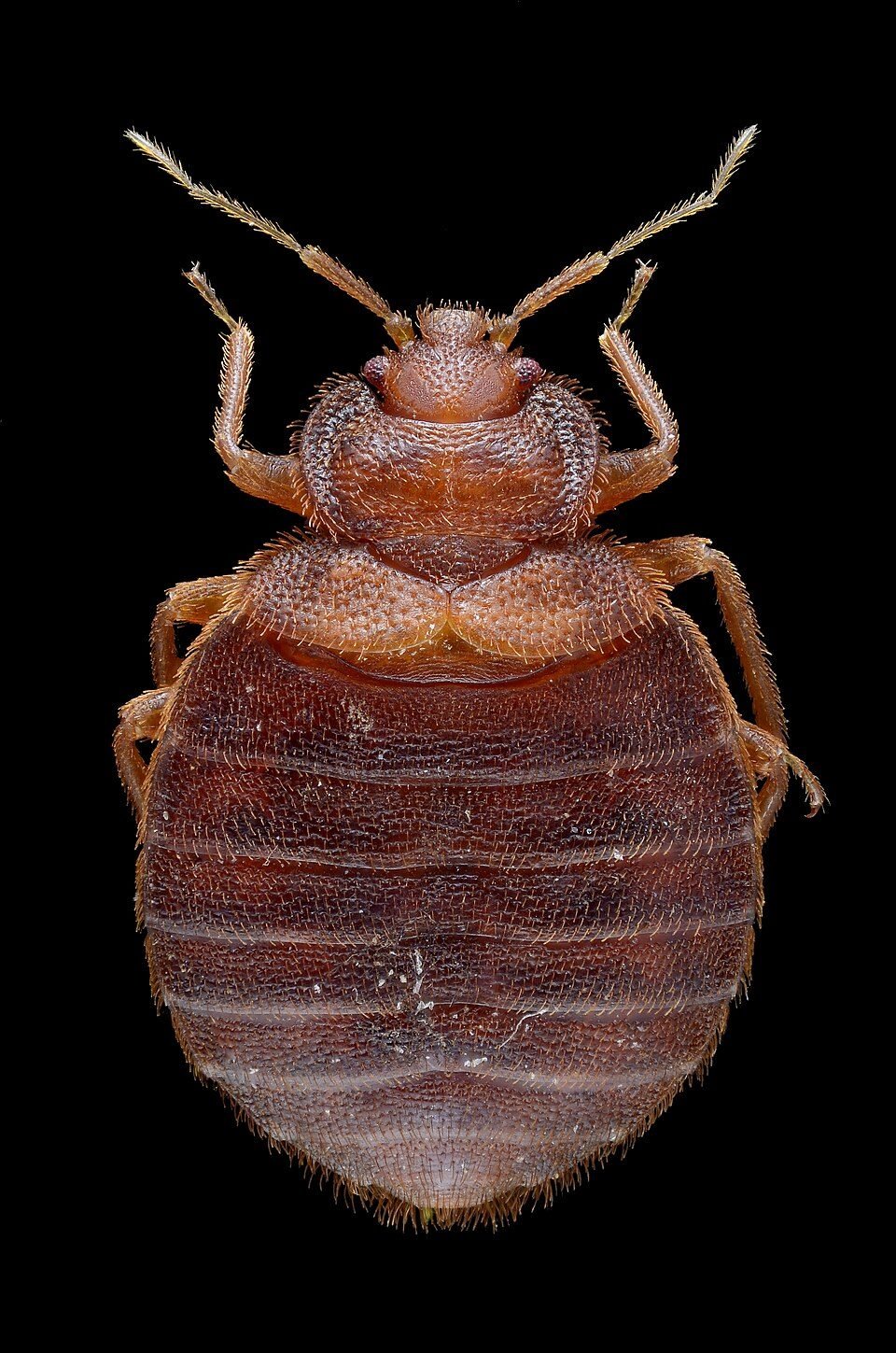

Do Bed Bugs Spread Disease? The Short Answer
Bed bugs do not spread disease, and a bite rarely calls for medical attention. Skin reactions vary widely, from no mark at all to an itchy, swollen welt, and a reaction can surface anywhere up to 14 days after the bite happens. That lag makes bite timing an unreliable clue for pinpointing when an infestation started.
This puts bed bugs in a different category than pests like mosquitoes or ticks, which health agencies actively monitor as disease carriers. With bed bugs, the real issue is skin irritation, disrupted sleep and occasional allergic response, not any infection passed from insect to host.
Can Bed Bugs Make You Sick? Other Health Effects to Consider
Even without spreading illness, bed bugs can take a toll on daily life. People dealing with an infestation often report trouble sleeping, heightened anxiety, and skin damage caused by repeated scratching. Allergic responses can range from larger, more swollen bite marks to painful localized swelling, and in rare instances, anaphylaxis. Scratching through broken skin also opens the door to secondary bacterial infection, a separate complication from the bite itself.
Reactions differ noticeably even between people sharing a bed. One partner may wake up covered in bites while the other shows nothing at all, and this gap usually reflects where the bugs happen to be hiding rather than any biological difference between the two people. Bed bugs feeding on just one of two people is uncommon, and when it happens, it is typically because the insects have settled closer to one side of the mattress.
| Myth | Fact | |
|---|---|---|
| Disease risk | Bed bugs spread disease the way mosquitoes or ticks do | Bed bugs are not known to spread disease; bites are a nuisance and comfort issue, not an infection risk |
| Bite timing | A fresh-looking bite means the infestation just started | A reaction can take up to 14 days to appear, so bite timing does not reveal when bugs actually arrived |
| Bite pattern | A line of three bites always proves bed bugs | Clustered or linear bites can also come from fleas or other causes, so pattern alone is not definitive proof |
| Feeling the bite | You always feel a bed bug bite the moment it happens | Bites are usually painless at first; welts and itching often appear only after 24 to 48 hours, if at all |
Are Bed Bug Bites Dangerous? What a Reaction Actually Looks Like
A fresh bed bug bite usually goes unnoticed at first, then turns into a red, itchy welt somewhere between 24 and 48 hours later as the body's allergic response kicks in. The marks tend to show up in tight clusters or zigzagging lines of three or more, rather than the scattered pattern typical of other rashes, and they favor skin left exposed overnight, including the arms, neck, shoulders and legs.
Repeated exposure can heighten sensitivity over time. Someone who shows zero reaction during the first week of an infestation may still break out in welts weeks afterward as their sensitivity builds, which means an early absence of bites says nothing about whether bed bugs are present or how skin will react later. Plenty of people never develop a visible mark at all, and that too is a normal outcome.
Why Bite Patterns and Timing Can Mislead You
A bed bug bite can look nearly identical to a mosquito or flea bite: a slightly raised, reddened, itchy spot that may appear randomly or line up in a row. Because the appearance overlaps so closely with mosquito bites, flea bites and even eczema, and because some people show no reaction whatsoever, relying on bite marks alone to confirm an infestation is unreliable.
Where the bites show up on the body tells you more than what they look like. Bed bugs typically target exposed areas such as the face, neck and arms, frequently leaving a telltale line of three, while scabies tends to concentrate on covered skin like the armpits, and flea bites generally cluster on the lower legs and ankles of pet owners. Lines or clusters of bites show up often with bed bugs, but fleas and other causes can produce similar groupings or random scatter, so pattern alone does not settle the question.
Context around exposure matters just as much as the marks themselves. Mosquito bites tend to track with time spent outdoors or open windows, whereas bites that keep reappearing after sleeping in the same bed, without any outdoor exposure to explain them, point much more strongly toward bed bugs.
What To Do If You Notice Possible Bed Bug Bites
Wash and Avoid Scratching
Clean the bite with soap and water and leave it alone to reduce the chance of a secondary skin infection.
Treat the Itch
A basic anti-itch product or antihistamine is usually all that's needed; most bed bug bites clear up on their own without medical care.
Look for Physical Evidence
Inspect mattress seams, bed frames and baseboards for shed skins, rust-colored stains or a live bug, since the bite itself can't confirm an infestation.
Contact a Licensed Professional
Once physical signs confirm bed bugs, schedule an inspection so treatment can target the confirmed hiding spots instead of guessing based on skin reactions.
Do Bed Bugs Spread Disease in Canada? What Health Guidance Shows
Canadian health authorities and their international counterparts reach the same verdict: bed bugs are not known to transmit disease, and bites generally do not need medical care. This holds true across Ontario and the rest of Canada, with no regional exception where bed bugs somehow function as a disease vector. The underlying biology that keeps them off the disease-carrier list does not shift based on climate or housing type.
What actually varies from person to person is how the skin reacts, not the level of disease risk, which stays effectively at zero. The same biting insect can leave one person with no visible mark, another with a mild itch, and a third with a pronounced, swollen welt. Because that range is so wide, public health guidance steers people away from diagnosing bed bugs based on skin alone; confirmation requires finding the insect itself or its physical traces, not reading a rash.
How Bed Bugs Actually Spread Between Homes and Units
Since disease transmission is not the concern, the real practical worry is how fast bed bugs can spread through a building once they arrive. They travel almost entirely by hitching rides on people and their belongings, since they cannot fly or jump from one home to another. Most introductions trace back to one of three routes: travel luggage, hotel stays, or secondhand furniture picked up through listings on sites like Facebook Marketplace or Kijiji.
Inside condos and apartment buildings, bed bugs frequently travel between units through shared walls, electrical outlets and plumbing gaps. An infestation in a multi-unit building can spread both up and down and side to side between suites, and the longer-distance jumps usually happen when someone physically relocates an infested item, such as a mattress or couch, rather than the bugs making the trip on their own. That is how a single neglected unit can turn into a building-wide infestation long before most residents notice a single bite.
Can a Mattress Encasement Help While You Sort Things Out?
Sealing a mattress and box spring in a zippered encasement, with tape over the zipper track, can cut down on bites while a broader infestation gets addressed. Kept sealed for a full year, the encasement blocks bugs from reaching the sleeper through that surface, and any bugs trapped inside eventually starve without access to a blood meal.
An encasement only contains the problem; it does not solve it. Bugs hiding in baseboards, furniture joints, outlets or neighboring units remain untouched, so an encasement works best as a supplement to a full inspection and treatment plan, not a substitute for one.
What To Do If You Suspect Bed Bug Bites
Clean any bite with soap and water and leave it alone, since broken skin from scratching is what opens the door to secondary infection. A standard anti-itch product typically handles a normal reaction, and a doctor's visit is only necessary if swelling becomes severe, spreads quickly, or shows signs of infection like warmth, pus or fever.
Bites by themselves should never be the deciding factor in a treatment decision. Proof of an infestation means spotting a live bug, a shed skin, an egg, or rust-colored staining on the mattress or bed frame, not simply tallying marks on skin. A licensed pest control company checks the spots bed bugs favor, including mattress seams, bed frames, baseboards and furniture joints, before recommending a chemical or biological treatment matched to the scale of the problem.
A bite reaction can take up to 14 days to show up, so new welts this week do not necessarily signal a brand-new infestation. Base your assessment on physical evidence of bed bugs, not on how your skin happens to be responding.
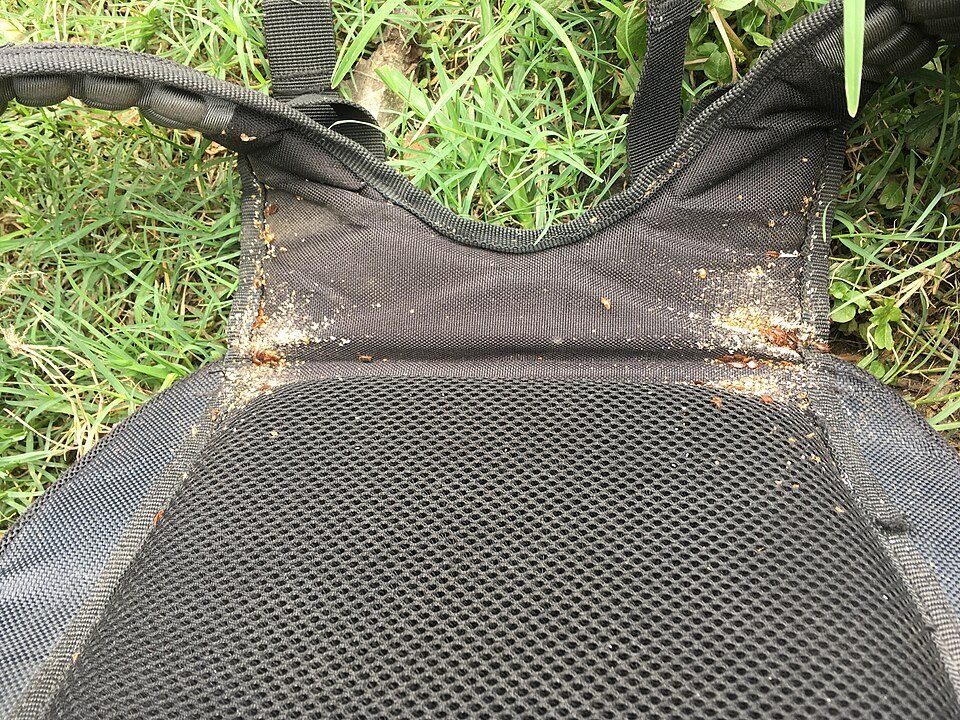

How AstraHive Pest Control gets rid of bed bugs
Bed bugs hide in seams, joints, box spring frames, plumbing voids, wall voids and behind electrical outlets, so every treatment starts with a careful inspection. We offer two treatments and choose between them by situation: Aprehend is our first choice for homes where people live and sleep and for severe infestations, and the standard chemical treatment is the right choice for Airbnbs, hotel rooms and vacant units.
How an AstraHive bed bugs treatment works
Inspect and confirm
We inspect the bed, furniture seams, baseboards, outlets and surrounding areas, confirm the insect and tell you which treatment fits, with the preparation list for that treatment.
Aprehend: for homes where people live and sleep
Aprehend is our premium bed bug treatment, a biopesticide built on a naturally occurring fungus. We apply it with a dedicated machine as a continuous band along baseboards, bed frames, box springs and the pathways bed bugs travel, and we put Drione dust into wall voids and outlets. Bed bugs pick up the spores as they cross the barrier and carry them back to the colony, where the fungus reaches the bugs a spray cannot, including pyrethroid-resistant bed bugs. It takes real knowledge to apply well, so only our experienced, trained technicians do it. Preparation is light: strip the beds, move them a little away from the walls and clear under the bed.
Standard chemical treatment: for empty units
For Airbnbs, hotel rooms and vacant units we take the bed apart, steam every seam and joint, vacuum with a HEPA vacuum, apply a residual spray (Temprid SC, which combines two active ingredients) according to its label, which stays active for about 90 days, and put Drione dust into wall voids and outlets. Nobody, pets included, stays inside during the treatment or for at least 6 hours afterwards, and the preparation is thorough, so it suits spaces nobody is living in. Mattress encasements are available as an optional extra.
Follow up 4 to 6 weeks later
We return 4 to 6 weeks after treatment to check the results and re-treat where needed. It is normal to still see live bed bugs for up to about 6 weeks, because bed bugs spread slowly, hide well and eggs laid before treatment keep hatching. If you still see live bed bugs after 6 weeks, call us.
Document everything and back it with a 90-day warranty
Where we found bed bugs, what we found and every product used goes in the service report. If bed bugs come back within 90 days, we re-treat at no charge.
Our products are Health Canada approved and safe for kids and pets, and we apply every product according to its label. AstraHive is licensed by the Ontario Ministry of the Environment, Conservation and Parks. Ontario requires a ministry-approved certification course before it issues an exterminator licence, and that training is delivered through the University of Guelph, Ridgetown Campus.
We choose one treatment per home, so you only prepare once. The two are not steps in one job: the standard residual spray is water-based, and water or steam deactivates Aprehend, so surfaces treated with Aprehend should not be wiped, mopped or steamed afterwards. In our experience live bed bugs drop in stages after Aprehend, roughly 50 to 55 percent fewer by week 3, 80 to 85 percent fewer by week 4 and 90 to 95 percent fewer by weeks 5 to 6. These figures are our own experience, not from the product label, and results vary.
In condos and apartments, neighbouring units and the building manager should be told early, because bed bugs travel through shared walls, ducts and plumbing chases.
Typical cost: Starting at $450 CAD, with final cost depending on property size and severity of infestation - there is no fixed upper limit. Call 905-925-8427 for an exact free quote.
Why Choose AstraHive
- Licensed & Insured: Certified by the Ontario Ministry of Environment, Conservation and Parks.
- Fast response: Same-day service available, with a callback within 5 minutes.
- 90-Day Warranty: If pests come back within that window, we re-treat at no additional charge.
- Proven track record: 5.0 stars on Google across 200+ reviews.
- Family & pet safe: Health Canada approved products on every job.
Frequently Asked Questions
Do bed bugs spread disease?
No. Bed bugs are not known to spread disease, and their bites do not usually require medical treatment. The main health effects are itching, skin irritation and, in rare cases, a stronger allergic reaction, not an infection passed from the insect to the person bitten.
Can bed bugs make you sick?
Bed bugs do not make people sick with an infectious illness, but their bites can cause insomnia, anxiety and skin problems from intense scratching. Rare allergic reactions, including anaphylaxis, have been reported, though most bites cause nothing more than an itchy welt.
Are bed bug bites dangerous?
Most bed bug bites are not dangerous; they cause painless-at-first marks that become itchy red welts within 24 to 48 hours. A doctor's visit is only needed if the area shows signs of infection, spreads rapidly, or triggers a severe allergic reaction.
Do bed bugs carry diseases in Canada specifically?
No. Canadian health guidance reaches the same conclusion as international sources: bed bugs are not known to spread disease anywhere, including across Ontario and the rest of Canada. Climate and housing type do not change this.
How long after a bite does a reaction appear?
A reaction can take as long as 14 days to show up, and some people never develop a visible mark at all. This delay is why bite timing is not a reliable way to determine when an infestation began.
Sources
- Canadian Centre for Occupational Health and Safety (CCOHS) — Bed bugs are not known to spread diseases, bites do not usually require medical treatment, and a bite can take up to 14 days to appear depending on the person.
- Health Canada: Bedbugs, what are they? — Bed bug biology and behaviour, including hiding spots and feeding patterns, as documented by Health Canada.
- University of Toronto Environmental Health and Safety: Bed Bug Procedure (citing City of Toronto) — Bed bug bites typically appear on exposed skin such as the face, neck and arms, often in a line of three, while scabies affects covered skin and flea bites affect pet owners' extremities.
- Ontario.ca: Pesticide licences and permits — Ontario's Ministry of the Environment, Conservation and Parks issues exterminator licences after a ministry-approved certification course, delivered through the University of Guelph, Ridgetown Campus.
- CDC: About Bed Bugs — Bed bug bites look similar to mosquito or flea bites and may be random or in a straight line; other symptoms include insomnia, anxiety and skin problems from scratching, with rare allergic reactions including anaphylaxis.
- Penn State Extension: Biology, Habitat, and Management of Bed Bugs — In apartment buildings, bed bugs can move from one apartment to another vertically and horizontally, and long-distance spread happens when infested objects are moved.
Areas We Serve
AstraHive Pest Control proudly serves 75+ communities across the following regions:
- Toronto: Toronto, North York, Scarborough, Etobicoke, East York, York, Leslieville, Lakeview
- Durham Region: Oshawa, Whitby, Ajax, Pickering, Clarington, Bowmanville, Courtice, Newcastle, Port Perry, Brooklin, Uxbridge, Scugog, Brock, Seaton
- York Region: Vaughan, Markham, Richmond Hill, Aurora, Newmarket, Thornhill, Woodbridge, Kleinburg, Maple, Stouffville, Unionville, Keswick, Holland Landing, East Gwillimbury, Georgina, King City, King Township, Nobleton, Berczy Village, Cathedraltown, Commerce Valley, Cornell, Wismer, Whitchurch-Stouffville, Sutton, Schomberg
- Peel Region: Mississauga, Brampton, Caledon, Malton, Port Credit, Streetsville, Meadowvale, Cooksville, Bolton, Palgrave
- Extended Service Area: Peterborough, Lindsay, Port Hope, Barrie, Bradford, Innisfil, Collingwood, Wasaga Beach, Orillia, Burlington, Oakville, Milton, Hamilton, Grimsby, St. Catharines, Welland, Niagara Falls
Don't see your city listed? Call us — we likely cover it.
Got a pest problem right now?
Call AstraHive for a free consultation. Licensed & insured, serving the GTA, Durham, York, Peel and Simcoe County.
Call 905-925-84275.0 Stars — 200+ Google Reviews | Licensed & Insured | Health Canada Approved