Bed bugs start dying once temperatures hit about 50 degrees Celsius, though eggs are tougher and need sustained heat closer to 54.8 C before they are reliably wiped out. In a real home, the challenge is getting that heat into every seam, fold and hiding spot, not just warming the air in the middle of the room.
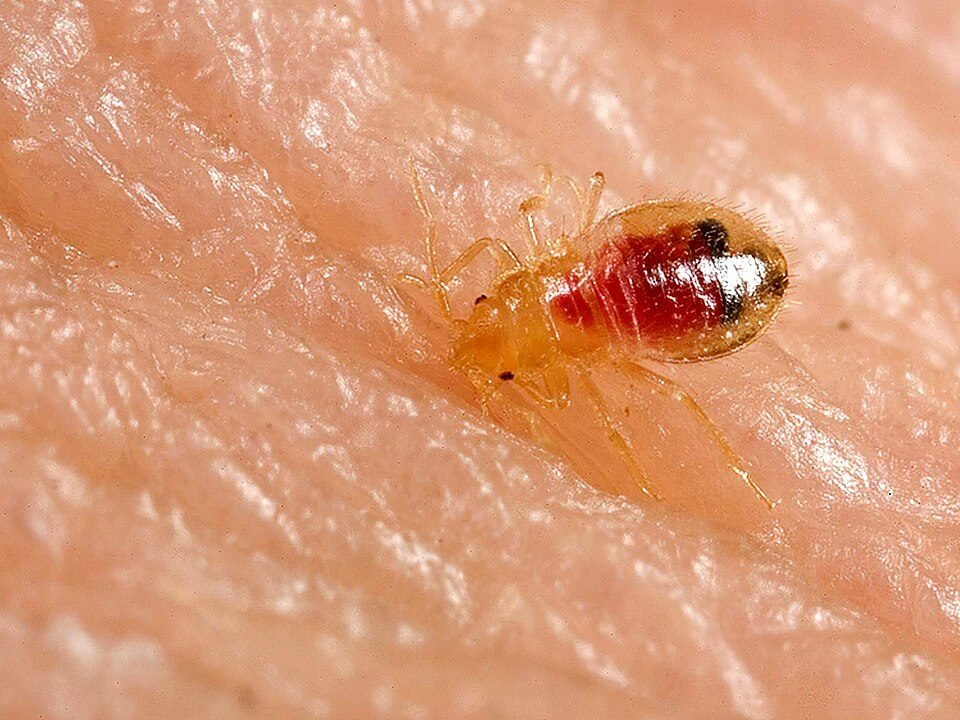

How Much Heat Kills Bed Bugs? The Short Answer
Bed bugs begin to die off around 50 C, and a steam cleaner nozzle can push past 100 C, which is why direct steam contact kills them almost immediately. Whole-room treatments work off a different benchmark: 131 F is treated as lethal across every life stage, with rooms typically held at 140 F for two hours or 130 F for three hours so that denser, slower-heating materials have time to catch up to the air temperature around them.
These numbers are not in conflict, they just answer two separate questions. One describes the heat needed to kill a bed bug the moment it touches a hot surface, and the other describes what a full room needs in both temperature and time so that every hidden bug or egg, even one buried deep in a mattress or tucked behind a baseboard, gets hot enough for long enough to die.
What Temperature Kills Bed Bugs at Every Life Stage
Lab testing gives the clearest picture of how heat affects bed bugs at each stage of life. Adults reached a 99 percent kill rate at 48.3 C, while eggs needed a higher 54.8 C to hit that same mark. At a steady 45 C, adults died off in roughly 95 minutes, but eggs took close to 7 hours to succumb at that identical temperature.
That gap between how adults and eggs respond to heat is exactly why commercial equipment runs well above the bare minimum needed to kill an adult. Professional systems generally target 45 to 52 C across the whole treated space, hot enough and sustained long enough that even the most resistant eggs cannot survive.
| Temperature Reached | Exposure Needed | Reliability for a Full Infestation | |
|---|---|---|---|
| Professional heat treatment | 45 to 52 C throughout the room | Minutes to hours, varies by insulation | High when every hiding spot reaches target temperature |
| Steam cleaner | Around 100 C at the nozzle | Instant, but surface contact only | Spot-level only; supports but does not replace heat treatment |
| Clothes dryer (hot setting) | Well above 50 C throughout the load | At least 30 minutes | Effective for washable and small non-washable items |
| Hair dryer | Can exceed 50 C near the nozzle | Would need many sustained minutes per spot | Low; bugs move away and hidden eggs are missed |
| Deep freezing | Minus 19 C or lower | About 4 continuous days | Inconsistent; may not kill every bed bug |
Does Heat Kill Bed Bug Eggs? Why They Are Harder to Kill
Heat does destroy bed bug eggs, but since they are the most heat-tolerant stage of the life cycle, they effectively set the bar any treatment must clear. Testing showed eggs required 54.8 C to reach 99 percent mortality compared with just 48.3 C for adults, and at a constant 45 C the eggs survived roughly four times longer than adults before dying.
That resilience matters more than it might seem, given that a single female lays 1 to 5 eggs a day and several hundred over her lifetime, often tucked into mattress seams, box spring corners and furniture joints where heat has trouble penetrating. Clearing out every visible adult while eggs survive in a cooler pocket does not end an infestation, it only delays the next wave.
Can I Kill Bed Bugs With a Hair Dryer or a Clothes Dryer?
A standard clothes dryer genuinely delivers results here. Washable items run through a hot dryer cycle for at least 30 minutes come out with bed bugs killed, and small non-washable items can go through the same cycle. Putting bedding and pillows through a hot dryer setting for a minimum of 30 minutes is also a routine step before professional treatment starts.
A hair dryer is a different story. The nozzle may produce air hot enough to kill on contact, but that heat drops off quickly with distance and cannot be held steady on one spot for long, especially once a bed bug moves out of range. There is no practical way to direct a handheld dryer into every crack, seam and fold of a mattress, headboard or baseboard for the extended time that eggs in particular require. It is not a substitute for a dryer cycle or genuine heat treatment.
How Long Does Heat Treatment Take for Bed Bugs?
A single professional heat session typically runs for hours, not minutes, because the actual goal is holding every surface, not just the surrounding air, at a lethal temperature long enough for eggs to die as well. The guidance of 140 F for two hours or 130 F for three hours reflects how much extra time dense or insulated materials need to catch up to the air around them.
The overall process takes even longer. AstraHive schedules a follow-up visit 4 to 6 weeks after treatment, because eggs laid before treatment generally hatch 10 to 15 days later at normal room temperature and the newly hatched bed bugs still have to cross the residual or barrier before they die. One heat session can cover a room in a single visit, but confirming the infestation is actually gone requires ongoing monitoring over the following weeks.
Why Cold Spots and Insulation Cause Treatment Failures
How much heat a bed bug actually experiences depends largely on what is insulating it at that moment. A bug wedged into a thick mattress seam, a dresser joint or buried under clutter can sit inside a pocket of air that never reaches the same temperature as the open room, even if a wall thermometer shows a reading well above the lethal threshold.
This is also why steam cleaners are used alongside heat treatment rather than in place of it. Steam kills bed bugs and eggs wherever it makes direct contact, which makes it useful on mattress tufts, bed frame joints and baseboards, but it cannot reach anything hiding deeper inside furniture or wall voids the way a full-room heat treatment can.
Heat, steam and hot dryers each have a role to play, but none of them replace physical control measures. Washing fabrics on a hot cycle, vacuuming thoroughly, fitting mattress encasements and reducing clutter all eliminate hiding spots that heat alone might not reach.
What to Expect After a Heat or Chemical Treatment
Bed bug eggs are often resistant to insecticides, so the treatment is built around the nymphs that hatch afterwards, and the follow-up visit 4 to 6 weeks later checks the result. Heat treatment carries the same risk anywhere a cold spot let eggs slip through untouched.
Spotting live bed bugs for up to about 6 weeks after treatment is fairly normal, since any survivors tend to move and hide slowly, and eggs laid beforehand continue hatching for roughly two more weeks. If bed bugs are still appearing after that 6-week window, that is the cue to contact the pest control company for a follow-up rather than assuming the treatment did not work at all. Keep an eye out for live bugs, eggs, shed skins and fecal spotting around mattress seams, box springs and nearby furniture, as these are the clearest signs the problem is not fully resolved.
Where DIY Heat Methods Fall Short
How effective DIY bed bug control turns out to be depends on the scale of the infestation, how much clutter is providing cover, whether neighbouring units are also affected, and whether everyone in the household actually sticks with the process. A hot dryer load or a steam pass over the mattress can reduce numbers, but DIY sprays and foggers often fail to finish the job and can even scatter bed bugs into neighbouring units rather than killing them.
Professional treatment begins with a thorough visual inspection of the bed, furniture and surrounding area, then combines physical control steps, washing, vacuuming, encasements, with either chemical or heat treatment plus ongoing prevention. Heat on its own, whether from commercial equipment, a dryer or a handheld hair dryer, is one component of that process rather than a complete solution by itself.
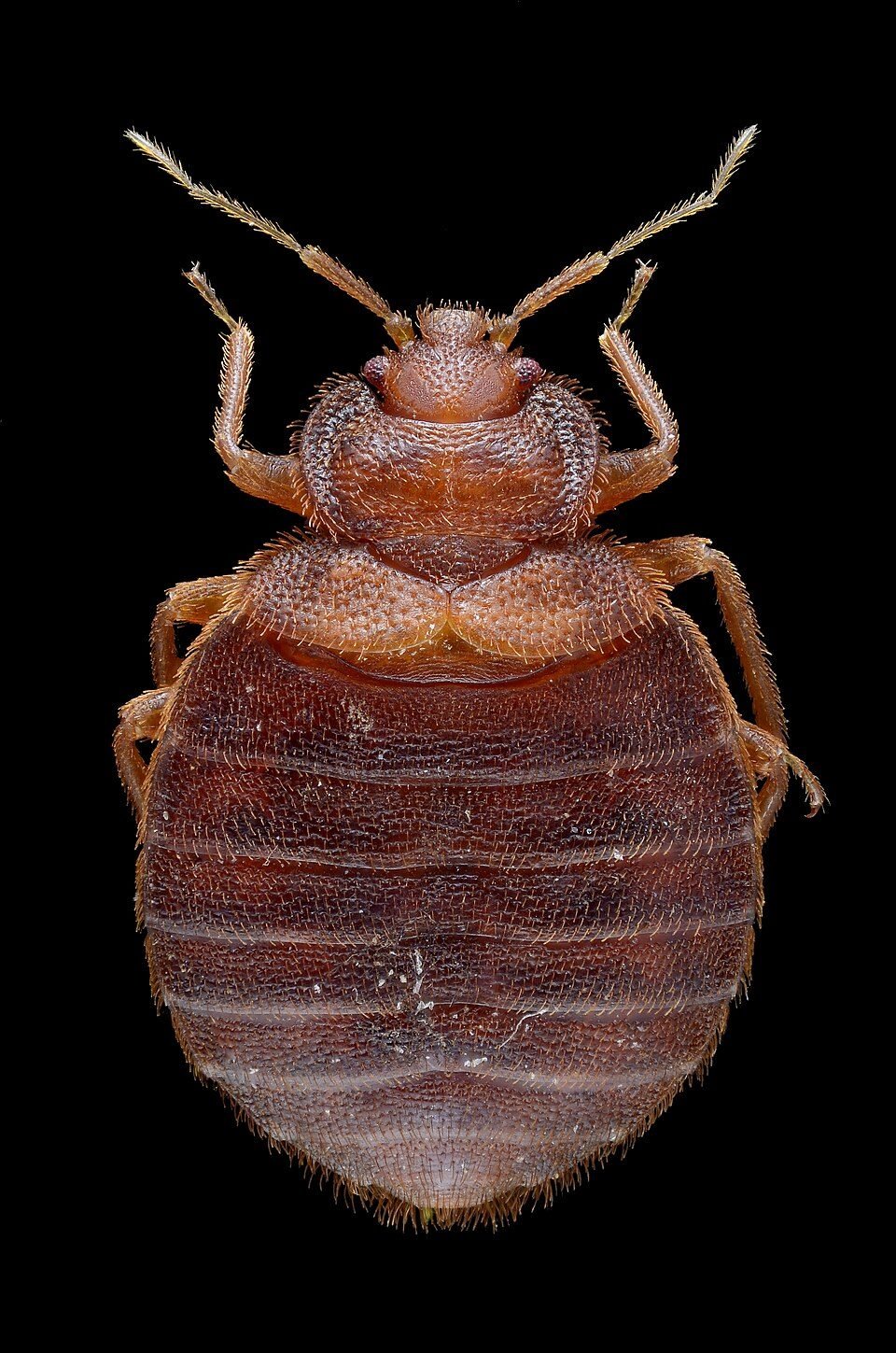

How AstraHive Pest Control gets rid of bed bugs
Bed bugs hide in seams, joints, box spring frames, plumbing voids, wall voids and behind electrical outlets, so every treatment starts with a careful inspection. We offer two treatments and choose between them by situation: Aprehend is our first choice for homes where people live and sleep and for severe infestations, and the standard chemical treatment is the right choice for Airbnbs, hotel rooms and vacant units.
How an AstraHive bed bugs treatment works
Inspect and confirm
We inspect the bed, furniture seams, baseboards, outlets and surrounding areas, confirm the insect and tell you which treatment fits, with the preparation list for that treatment.
Aprehend: for homes where people live and sleep
Aprehend is our premium bed bug treatment, a biopesticide built on a naturally occurring fungus. We apply it with a dedicated machine as a continuous band along baseboards, bed frames, box springs and the pathways bed bugs travel, and we put Drione dust into wall voids and outlets. Bed bugs pick up the spores as they cross the barrier and carry them back to the colony, where the fungus reaches the bugs a spray cannot, including pyrethroid-resistant bed bugs. It takes real knowledge to apply well, so only our experienced, trained technicians do it. Preparation is light: strip the beds, move them a little away from the walls and clear under the bed.
Standard chemical treatment: for empty units
For Airbnbs, hotel rooms and vacant units we take the bed apart, steam every seam and joint, vacuum with a HEPA vacuum, apply a residual spray (Temprid SC, which combines two active ingredients) according to its label, which stays active for about 90 days, and put Drione dust into wall voids and outlets. Nobody, pets included, stays inside during the treatment or for at least 6 hours afterwards, and the preparation is thorough, so it suits spaces nobody is living in. Mattress encasements are available as an optional extra.
Follow up 4 to 6 weeks later
We return 4 to 6 weeks after treatment to check the results and re-treat where needed. It is normal to still see live bed bugs for up to about 6 weeks, because bed bugs spread slowly, hide well and eggs laid before treatment keep hatching. If you still see live bed bugs after 6 weeks, call us.
Document everything and back it with a 90-day warranty
Where we found bed bugs, what we found and every product used goes in the service report. If bed bugs come back within 90 days, we re-treat at no charge.
Our products are Health Canada approved and safe for kids and pets, and we apply every product according to its label. AstraHive is licensed by the Ontario Ministry of the Environment, Conservation and Parks. Ontario requires a ministry-approved certification course before it issues an exterminator licence, and that training is delivered through the University of Guelph, Ridgetown Campus.
We choose one treatment per home, so you only prepare once. The two are not steps in one job: the standard residual spray is water-based, and water or steam deactivates Aprehend, so surfaces treated with Aprehend should not be wiped, mopped or steamed afterwards. In our experience live bed bugs drop in stages after Aprehend, roughly 50 to 55 percent fewer by week 3, 80 to 85 percent fewer by week 4 and 90 to 95 percent fewer by weeks 5 to 6. These figures are our own experience, not from the product label, and results vary.
In condos and apartments, neighbouring units and the building manager should be told early, because bed bugs travel through shared walls, ducts and plumbing chases.
Typical cost: Starting at $450 CAD, with final cost depending on property size and severity of infestation - there is no fixed upper limit. Call 905-925-8427 for an exact free quote.
Why Choose AstraHive
- Licensed & Insured: Certified by the Ontario Ministry of Environment, Conservation and Parks.
- Fast response: Same-day service available, with a callback within 5 minutes.
- 90-Day Warranty: If pests come back within that window, we re-treat at no additional charge.
- Proven track record: 5.0 stars on Google across 200+ reviews.
- Family & pet safe: Health Canada approved products on every job.
Frequently Asked Questions
How much heat kills bed bugs?
Bed bugs begin dying around 50 C, while whole-room treatments are built around 131 F as the lethal mark for every life stage. Lab testing found adults reached 99 percent mortality at 48.3 C and eggs at 54.8 C, which is why treatments are run hotter and longer than what an adult alone would need.
What temperature kills bed bugs at every life stage, including nymphs?
Eggs withstand the most heat and need the highest sustained temperature, close to 54.8 C for 99 percent mortality, versus 48.3 C for adults. Nymphs fall somewhere in between, so a treatment built around the egg threshold automatically takes care of nymphs and adults too.
Does heat kill bed bug eggs, or only live bugs?
Heat kills eggs too, but they take far longer to die than adults at matching temperatures; one study found eggs needed about 7 hours at 45 C compared with roughly 95 minutes for adults. That gap is why a treatment cut short, or one that misses an insulated hiding spot, can clear out visible bugs while leaving eggs behind to hatch later.
Can I kill bed bugs with a hair dryer or a clothes dryer?
A clothes dryer works well: a hot cycle of at least 30 minutes is effective on washable items and small non-washable items. A hair dryer is unreliable because its heat fades quickly with distance and cannot stay on a hiding spot long enough, especially for eggs tucked into seams and joints.
How long does heat treatment take for bed bugs?
A single heat treatment session usually takes hours, since thick or insulated materials need more time than open air to reach a lethal temperature, matching guidance of 140 F for two hours or 130 F for three hours. Confirming the infestation is gone takes longer still: AstraHive's follow-up visit is 4 to 6 weeks after treatment, well after the 10 to 15 day window when remaining eggs hatch.
Sources
- Health Canada: Bedbugs, how do I get rid of them? — Bed bugs die at 50 C and steam cleaners emit 100 C or more; treatment works only with physical control and prevention together.
- Ottawa Public Health: Bed Bugs — Recommends placing bedding and pillows in the dryer on a hot setting for at least 30 minutes, and notes control may involve more than one treatment.
- Health Canada: Bedbugs, what are they? — Eggs usually hatch in 6 to 17 days after a female lays at least 200 in her lifetime, and bed bugs cannot fly or jump.
- Ontario.ca: Pesticide licences and permits — Ontario's Ministry of the Environment, Conservation and Parks issues exterminator licences after a ministry-approved certification course, delivered through the University of Guelph, Ridgetown Campus.
- Penn State Extension: Biology, Habitat, and Management of Bed Bugs — 131 F is lethal to all stages; heat the room to at least 140 F for two hours or 130 F for three hours; steamers kill eggs, nymphs and adults on mattress surfaces.
- Temperature and Time Requirements for Controlling Bed Bugs under Commercial Heat Treatment Conditions, Insects (2011) — Adult bed bugs reached 99 percent mortality at 48.3 C and eggs at 54.8 C; at 45 C adults needed about 95 minutes and eggs about 7 hours; commercial treatments target 45 to 52 C.
- UC IPM: Bed Bugs (Pest Notes 7454) — Eggs hatch in about 10 to 15 days at room temperature, and females lay 200 to 500 eggs over a lifetime, usually two to five a day.
Areas We Serve
AstraHive Pest Control proudly serves 75+ communities across the following regions:
- Toronto: Toronto, North York, Scarborough, Etobicoke, East York, York, Leslieville, Lakeview
- Durham Region: Oshawa, Whitby, Ajax, Pickering, Clarington, Bowmanville, Courtice, Newcastle, Port Perry, Brooklin, Uxbridge, Scugog, Brock, Seaton
- York Region: Vaughan, Markham, Richmond Hill, Aurora, Newmarket, Thornhill, Woodbridge, Kleinburg, Maple, Stouffville, Unionville, Keswick, Holland Landing, East Gwillimbury, Georgina, King City, King Township, Nobleton, Berczy Village, Cathedraltown, Commerce Valley, Cornell, Wismer, Whitchurch-Stouffville, Sutton, Schomberg
- Peel Region: Mississauga, Brampton, Caledon, Malton, Port Credit, Streetsville, Meadowvale, Cooksville, Bolton, Palgrave
- Extended Service Area: Peterborough, Lindsay, Port Hope, Barrie, Bradford, Innisfil, Collingwood, Wasaga Beach, Orillia, Burlington, Oakville, Milton, Hamilton, Grimsby, St. Catharines, Welland, Niagara Falls
Don't see your city listed? Call us — we likely cover it.
Got a pest problem right now?
Call AstraHive for a free consultation. Licensed & insured, serving the GTA, Durham, York, Peel and Simcoe County.
Call 905-925-84275.0 Stars — 200+ Google Reviews | Licensed & Insured | Health Canada Approved